Basketball Sizes by Age, Gender, and Level
The right basketball size is a size 7 (29.5 inches) for men, a size 6 (28.5 inches) for women, and a size 5 (27.5 inches) or smaller for kids under 12. That’s the short answer.
But the full picture of basketball sizes depends on age, gender, and the level you play at — and getting it wrong can quietly wreck a young player’s shooting form.
Basketball Size Chart
| Size | Circumference | Weight | Best For |
|---|---|---|---|
| Size 7 | 29.5″ | 22 oz | Men and boys 15+, NBA, NCAA, high school |
| Size 6 | 28.5″ | 20 oz | Women 12+, WNBA, boys 12–14 |
| Size 5 | 27.5″ | 17 oz | Boys and girls 9–11 |
| Size 4 | 25.5″ | 14 oz | Boys and girls 5–8 |
| Size 3 | 22″ | 10 oz | Ages 4–8 (mini ball) |
| Size 1 | 16″ | 8 oz | Toddlers 2–4 (micro-mini) |
Notice the jump in weight. A size 7 ball weighs more than twice as much as a size 3 mini basketball. That extra heft is exactly why age-based sizing matters so much — a young player’s wrist and shoulder simply aren’t built to shoot a heavy adult ball with correct form, according to youth coaching resource Breakthrough Basketball.
Basketball Size by Age
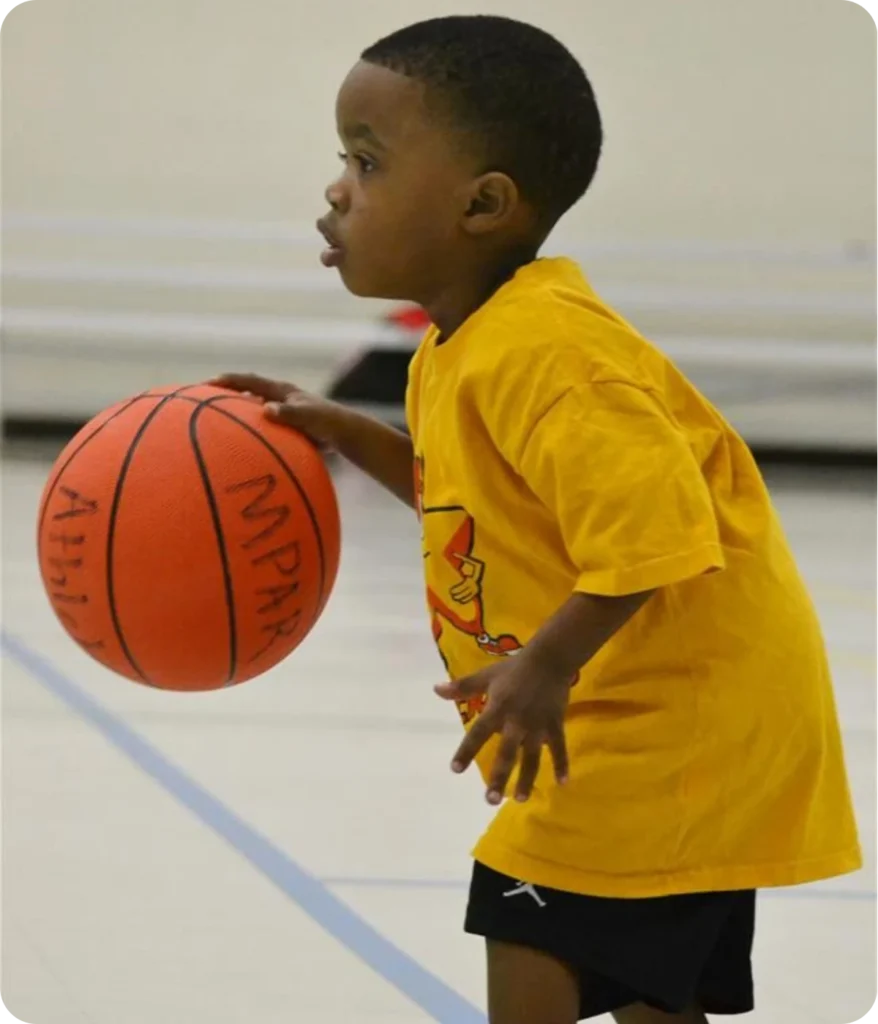
Toddlers (Ages 2–4): Size 1
A size 1 “micro-mini” ball is mostly a toy. It builds early hand-eye coordination but isn’t used in any organized league.
Young Kids (Ages 5–8): Size 3 or 4
Size 3 is the classic mini ball you’ll see at driveway hoops.
Size 4 sits between mini and youth sizing and suits kids on the older end of this range who are starting structured practice.
Youth (Ages 9–11): Size 5
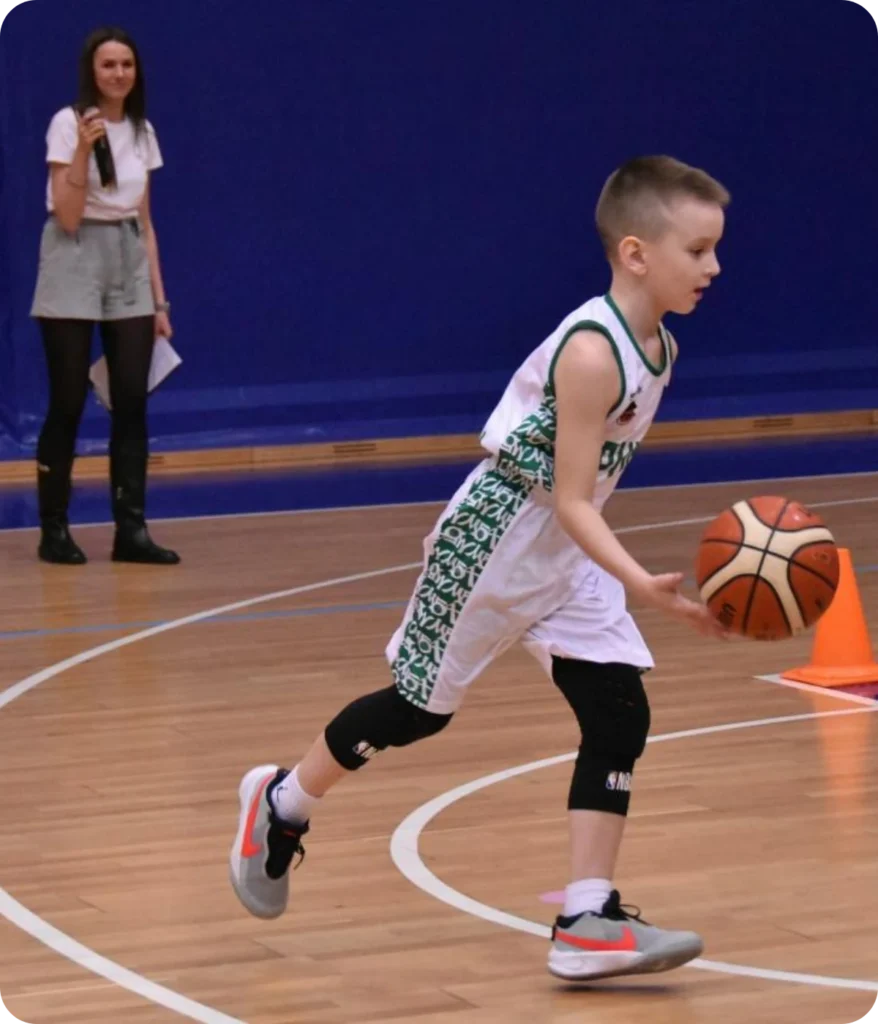
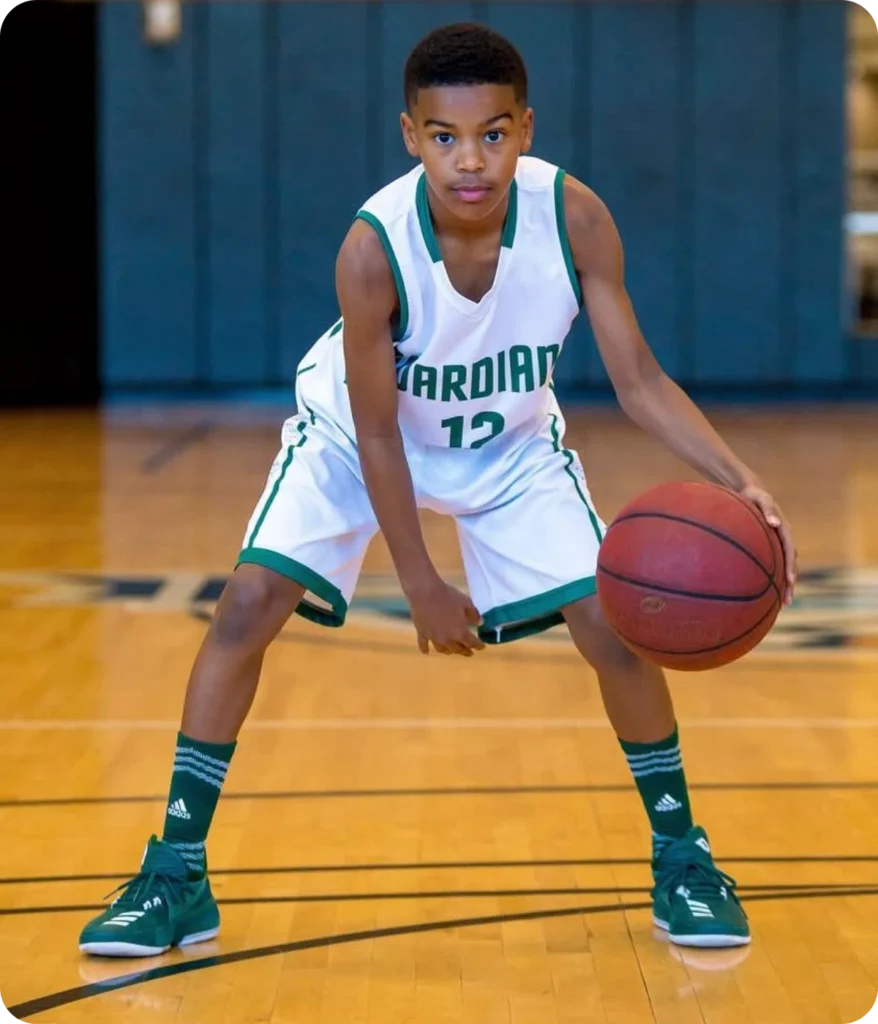
This is the standard youth basketball. Most rec leagues for this age group require it.
It’s light enough to let a 9-year-old shoot with a full arm extension instead of pushing the ball from the chest.
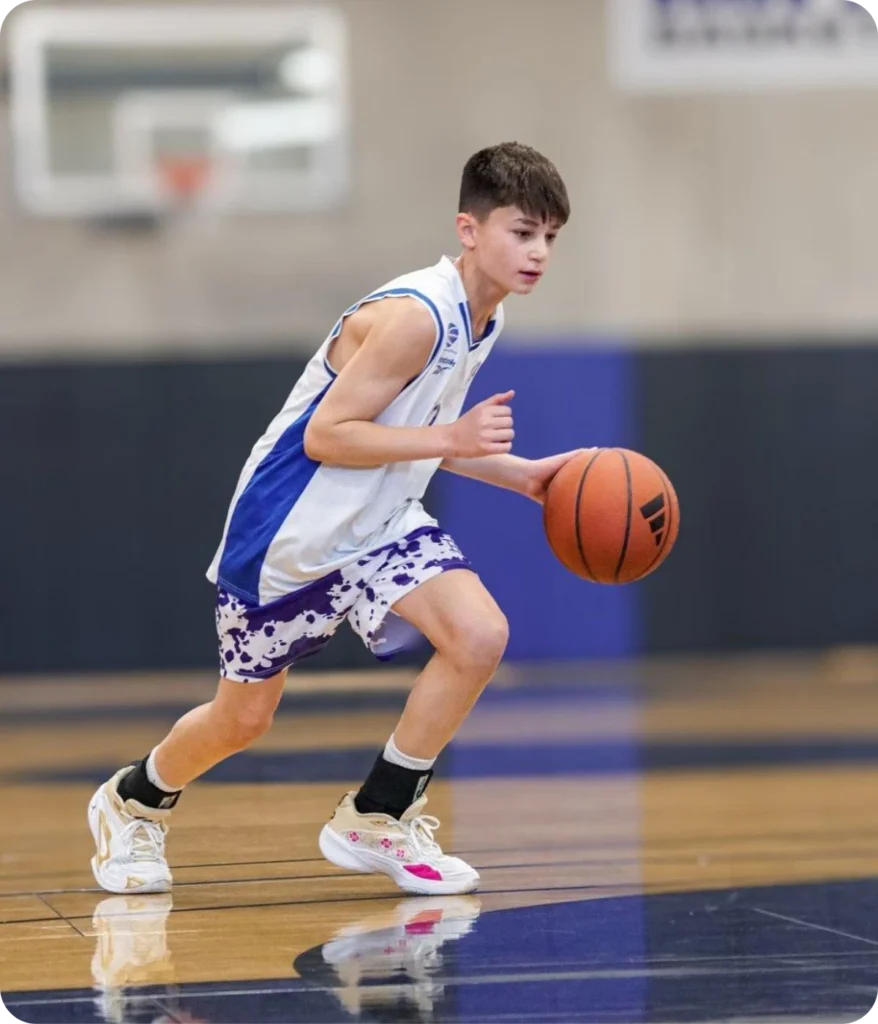
Pre-Teens and Early Teens (Ages 12–14): Size 6
Boys transition to size 6 here, and it stays the permanent size for girls and women from this point forward.
Teens and Adults (Ages 15+): Size 7
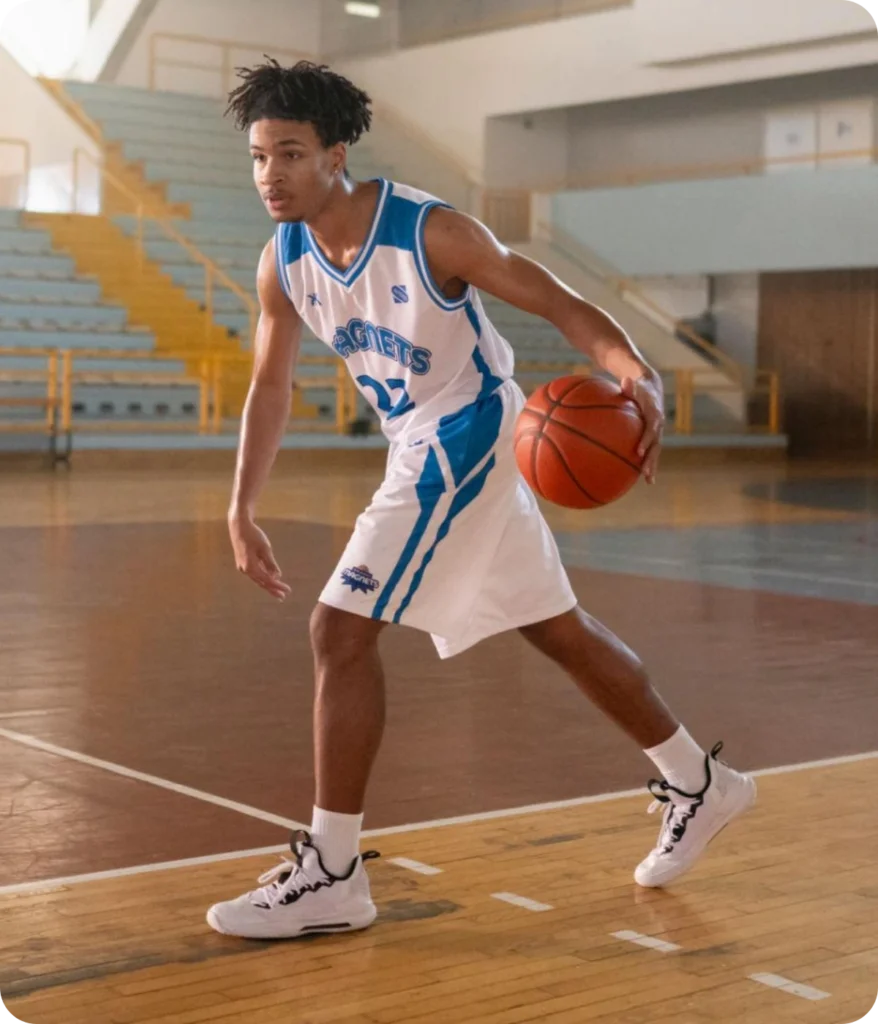
This is the official adult basketball size — the same ball used in the NBA, NCAA men’s play, and varsity high school.
Mens Basketball Size
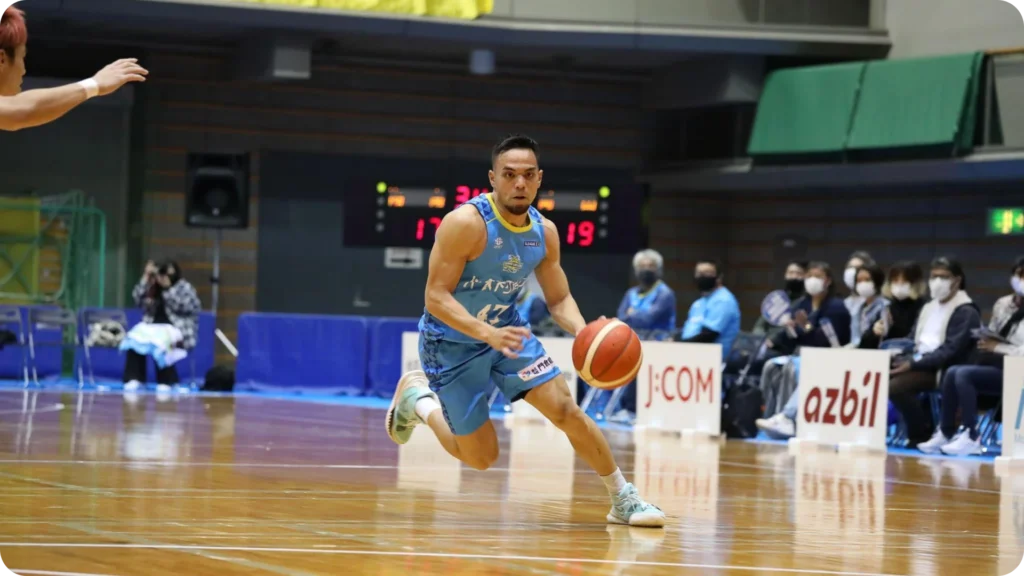
The mens basketball size is a size 7 — 29.5 inches in circumference and 22 ounces in weight. This is the ball used in men’s NCAA play, high school varsity, and the pros. It’s inflated to between 7.5 and 8.5 PSI for regulation play.
Boys typically move up to a size 7 at age 15, once hand size and grip strength catch up to the ball. Jumping to a size 7 too early is one of the most common mistakes youth coaches see — it forces awkward shooting mechanics that can take years to unlearn.
Womens Basketball Size
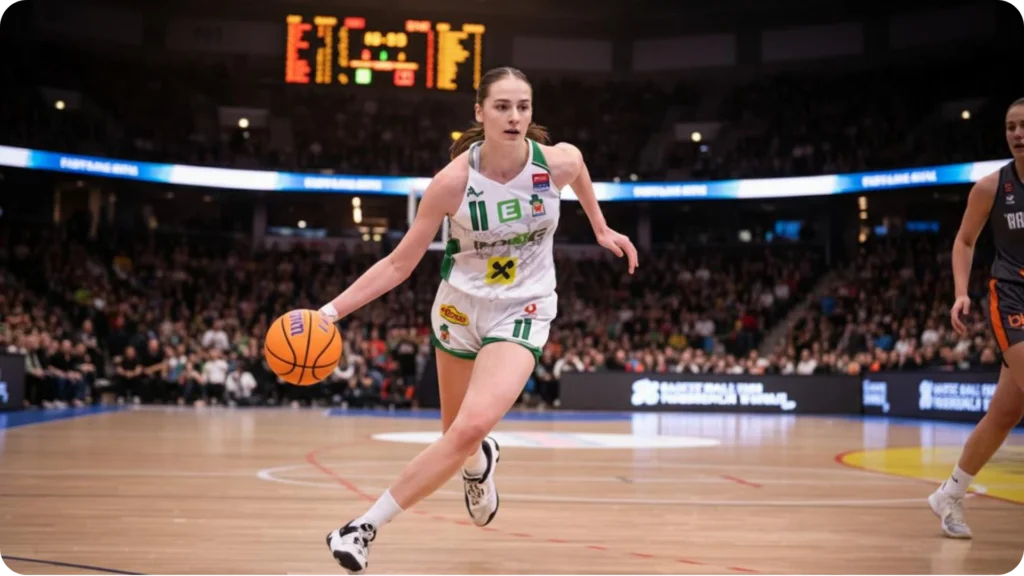
The womens basketball size is a size 6 — 28.5 inches around and 20 ounces. This is the regulation ball for the WNBA, NCAA women’s basketball, and high school girls’ varsity.
Here’s a detail a lot of guides gloss over: the smaller size isn’t a skill difference — it’s a hand-size and grip standard, the same way men’s and women’s gloves come in different base sizes. The rules simply match the ball to average grip span, so players of every level can control it properly.
NBA Basketball Size
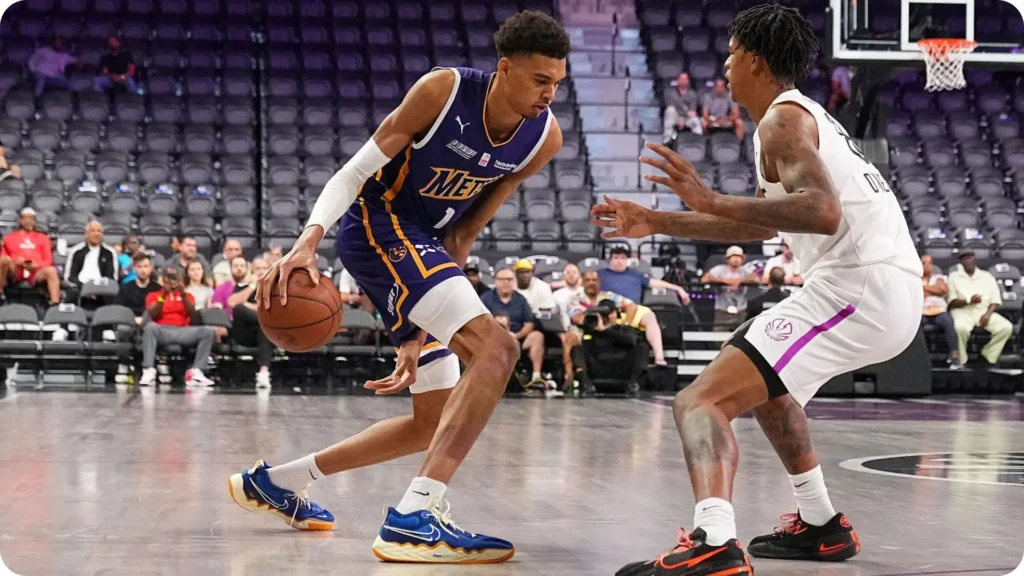
The NBA basketball size is a size 7: 29.5 inches in circumference, 22 ounces, inflated to 7.5–8.5 PSI. That part hasn’t changed in decades.
What has changed is who makes it. Wilson became the NBA’s official ball supplier in 2021, ending Spalding’s 37-year run as the league’s game-ball maker. If you’ve read older articles online still crediting Spalding, that information is outdated — it’s worth knowing if you’re buying a “league-authentic” ball today.
One more useful comparison: FIBA, the international governing body, uses a men’s ball with a slightly larger circumference than the NBA’s, plus a different panel construction. So a “regulation” ball overseas isn’t always identical to an NBA ball, even though both are labeled size 7.
Half Court Basketball Size
This is where most basketball size guides stop short — and it’s a genuinely useful question if you’re building a home court or just trying to understand game formats.
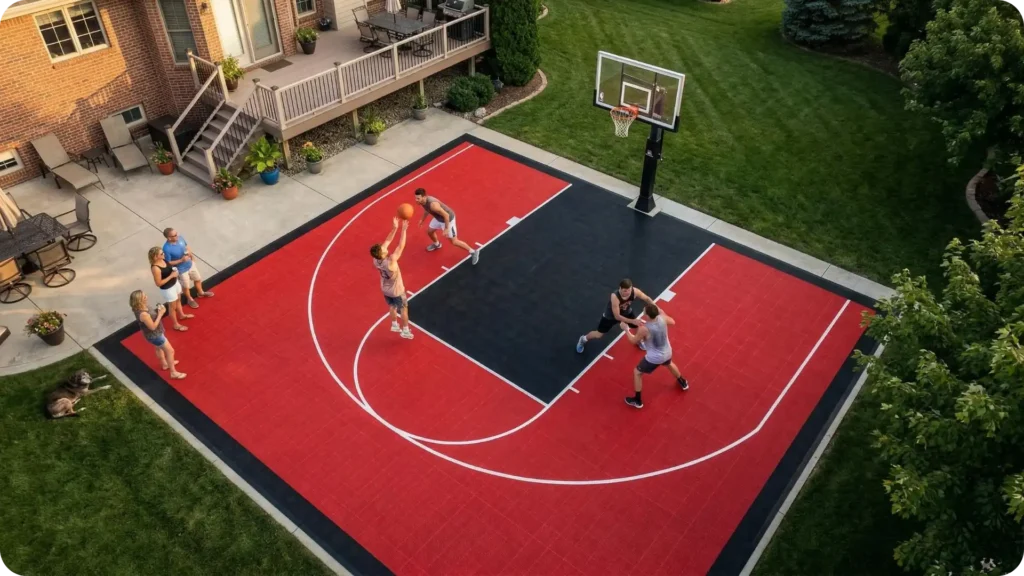
“Half court basketball size” usually means one of two things: the physical dimensions of a half court, or a 3-on-3 half-court game format. Here’s both, in plain terms.
Half-court dimensions by level
| Level | Half-Court Size |
|---|---|
| NBA and college | 47 ft x 50 ft |
| High school | 42 ft x 50 ft |
| Common backyard build | 30 ft x 30 ft |
A regulation full court measures 94 feet by 50 feet at the NBA and college level, so a half court is, unsurprisingly, exactly half that length while keeping the full width, according to court-building resource ModuTile.
The rim stays at 10 feet no matter which half of the court you’re using — that number never changes by level or court size.
If you’re installing a hoop at home, most families settle for something smaller than regulation, often around 30 by 30 feet, just enough room for a 3-point arc and comfortable shooting drills.
Basketball Size FAQ’s
What size basketball does the NBA use?
A size 7 basketball — 29.5 inches in circumference, 22 ounces, made by Wilson since 2021.
What size basketball do 10-year-olds use?
A size 5, at 27.5 inches. This is the standard youth ball for ages 9 to 11.
Is a women’s basketball smaller than a men’s?
Yes. Women use a size 6 (28.5 inches), one size smaller than the men’s size 7 (29.5 inches).
What size basketball is a size 6 good for?
Size 6 fits women and girls aged 12 and up, plus boys aged 12 to 14 before they move to a size 7.
Can adults use a size 6 basketball?
Yes. Many adult women’s leagues use size 6 as standard, and some shorter or smaller-handed adult men prefer it for casual play, though it isn’t regulation for men’s competition.
How do I measure a basketball to check its size?
Wrap a soft tape measure around the ball’s widest point to get the circumference, then compare it to the chart above — 29.5″ is a size 7, 28.5″ is a size 6, and so on.
What size basketball works for a half-court driveway hoop?
Ball size depends on the player’s age, not the court size — a half court just needs less space, so use the same size 3 through size 7 chart based on who’s playing.